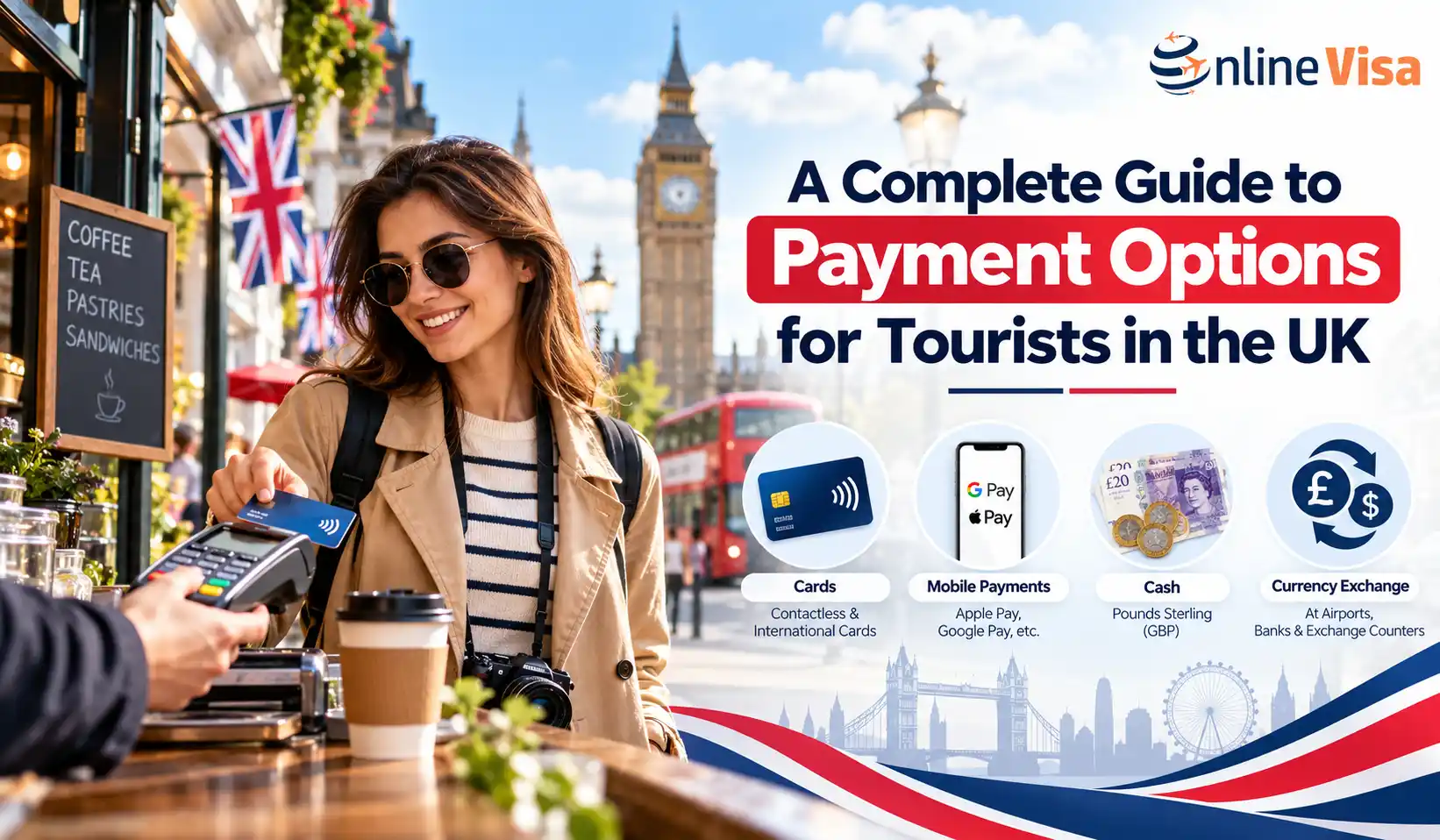
A Complete Guide to Payment Options for Tourists in the UK
Discover essential payment options for tourists visiting the UK, from cash to contactless methods. This guide simplifies the UK payment landscape.
Understanding UK Currency and Payment Methods
The official currency of the UK is the pound sterling, symbolized as £. Familiarizing yourself with the cash denominations is crucial for your visit. The UK currently has polymer notes of £5, £10, £20, and £50. Coins include £1, 50p, 20p, 10p, 5p, 2p, and 1p. Although cash remains widely accepted, card payments have become the norm, particularly in urban areas.
Most shops, restaurants, and attractions favor card payments, making them highly convenient. However, it's important to recognize that smaller businesses, especially in rural areas, might still prefer cash transactions. Before making any purchases, always check for signs indicating whether cash or card payments are preferred. This simple step can prevent awkward situations and make your shopping experience smoother.
Using a fee-free debit or credit card is a smart move while abroad. As you explore payment options, always carry a backup payment method to ensure seamless transactions during your stay, especially when visiting less urban areas where card facilities might not be prevalent.
Do You Need to Use Cash in the UK?
Cash can be quite useful in specific scenarios where card acceptance is limited. Here are some common situations to consider:
- Tips and gratuities: In certain service environments like taxis or cafés, cash tips are often preferred and expected.
- Local shops: Small independent businesses, particularly those in rural locations or local markets, may only operate on a cash basis.
- Public transport: While many public transport options allow card payments, some rural bus services might lack card facilities altogether.
When withdrawing cash, aim to use ATMs affiliated with banks to minimize fees. Always be mindful of covering your PIN when entering it, and only withdraw what you need to decrease the risk of theft or loss. This will help maintain your financial security while enjoying your travels.
Using Contactless Payment in the UK
Contactless payment has become increasingly common in the UK, accepted widely in shops, restaurants, and even on public transport systems. Visitors can utilize contactless-enabled debit or credit cards, or mobile wallets like Apple Pay and Google Pay, making transactions straightforward and quick. Simply tap your card or phone near a card reader to pay, eliminating the hassle of fumbling with cash or entering a PIN.
Since March 2026, banks can set their contactless payment limits. However, many banks have maintained a limit of £100 per transaction. To avoid surprises, check with your bank before traveling to confirm your contactless limit.
When using a mobile wallet, ensure it is activated, and that your card is actually compatible. Mobile payments typically require a charged device, and sometimes a data connection to confirm payment. It's a good practice to carry a physical backup card in case your mobile wallet experiences technical issues.
Cash vs Card Payments in the UK
The choice between cash and card payments can depend on personal preferences and specific circumstances. Cards offer convenience, especially with contactless options, enhancing security through features like fraud protection. This makes them a popular choice for shopping and dining experiences.
Nonetheless, cash retains its value for specific types of transactions. Here’s a detailed comparison of cash and card payments:
| Cash | Card |
|---|---|
| Accepted almost everywhere, especially in rural areas | Widely accepted, particularly in urban areas and large businesses |
| Useful for small purchases at local markets | May incur foreign transaction fees depending on your card issuer |
| Good for tips, ensuring the recipient gets the full amount | Contactless options available for quick transactions |
In summary, it's best to have both cash and card options on hand. This strategy provides flexibility and helps you navigate any potential issues with card acceptance, ensuring a smoother experience as you explore the UK.
How to Avoid Card Fees While Traveling
Card fees can add up quickly, making your trip more costly than expected. To keep expenses manageable, consider these effective strategies:
- Check for International Fees: Before embarking on your journey, confirm with your bank if they charge fees for foreign transactions. Some banks, particularly those focused on travel, may waive these fees altogether.
- Decline Dynamic Currency Conversion (DCC): Be wary of terminals or ATMs that offer to charge your card in your home currency. This practice often leads to unfavorable exchange rates that can cost you more than necessary.
- Notify Your Bank: Inform your bank about your travel plans to avoid prompting any fraud alerts that may block your card while you're overseas.
Taking these proactive measures will help you manage your money effectively while enjoying your journey in the UK.
Tipping Etiquette in the UK
Tipping customs in the UK generally revolve around personal discretion and vary based on the service received. While tipping isn’t a requirement, small gestures are greatly appreciated in many situations. Below are guidelines for common scenarios where tipping may be appropriate:
- Restaurants: If a service charge isn’t included in your bill, a tip of 10-15% is typically expected for good service.
- Pubs and Bars: Tipping is usually not expected unless service was exceptional; rounding up your bill is often sufficient.
- Taxis: Rounding up the fare or adding a small percentage is common practice.
Before leaving gratuities, always check your bill for any service charges to avoid double tipping, as this can lead to misunderstanding the expected etiquette.
Mobile Wallets and Their Pros and Cons
Mobile wallets such as Apple Pay, Google Pay, and Samsung Pay offer convenient options for making payments. These digital wallets enhance security by requiring authentication through your device, such as a fingerprint or passcode.
Here’s a closer look at the advantages and disadvantages of using mobile wallets:
- Pros: Mobile wallets enable quick transactions, are generally more secure than physical cards, and eliminate the need to carry multiple cards.
- Cons: Mobile payments require a charged device and might need a network connection. Not all merchants may accept mobile wallet payments, so having a backup plan is crucial.
It's prudent to carry a physical card as a contingency in case of technical difficulties, ensuring that you're fully prepared for different payment scenarios.
Frequently Asked Questions (FAQ)
Is cash still accepted in the UK?
Yes, cash remains accepted in many places across the UK, although it’s increasingly common for businesses to prefer card payments, mainly in urban areas.
Do I have to tip when dining out?
Tipping is not mandatory in the UK, but it is customary if you receive good service. Always take a moment to check if a service charge has been added to your bill before deciding to add an extra tip.
Can I use my debit card on public transport in London?
Absolutely! You can use contactless debit cards and devices on public transport in London, including buses and the Tube. Just remember to tap in and out at the designated gates.
How can I avoid card fees when using my card in the UK?
To minimize card fees, check with your bank for overseas transaction charges, decline dynamic currency conversion at points of sale, and always notify your bank about your travel schedule to prevent any issues.
Ready to embark on your UK adventure? Apply now - processing takes only a few minutes! Make managing payments during your stay a breeze.