info@onlinevisa.ukOperated by ILAHI TOURS AND TRAVELS FZE, UAE.
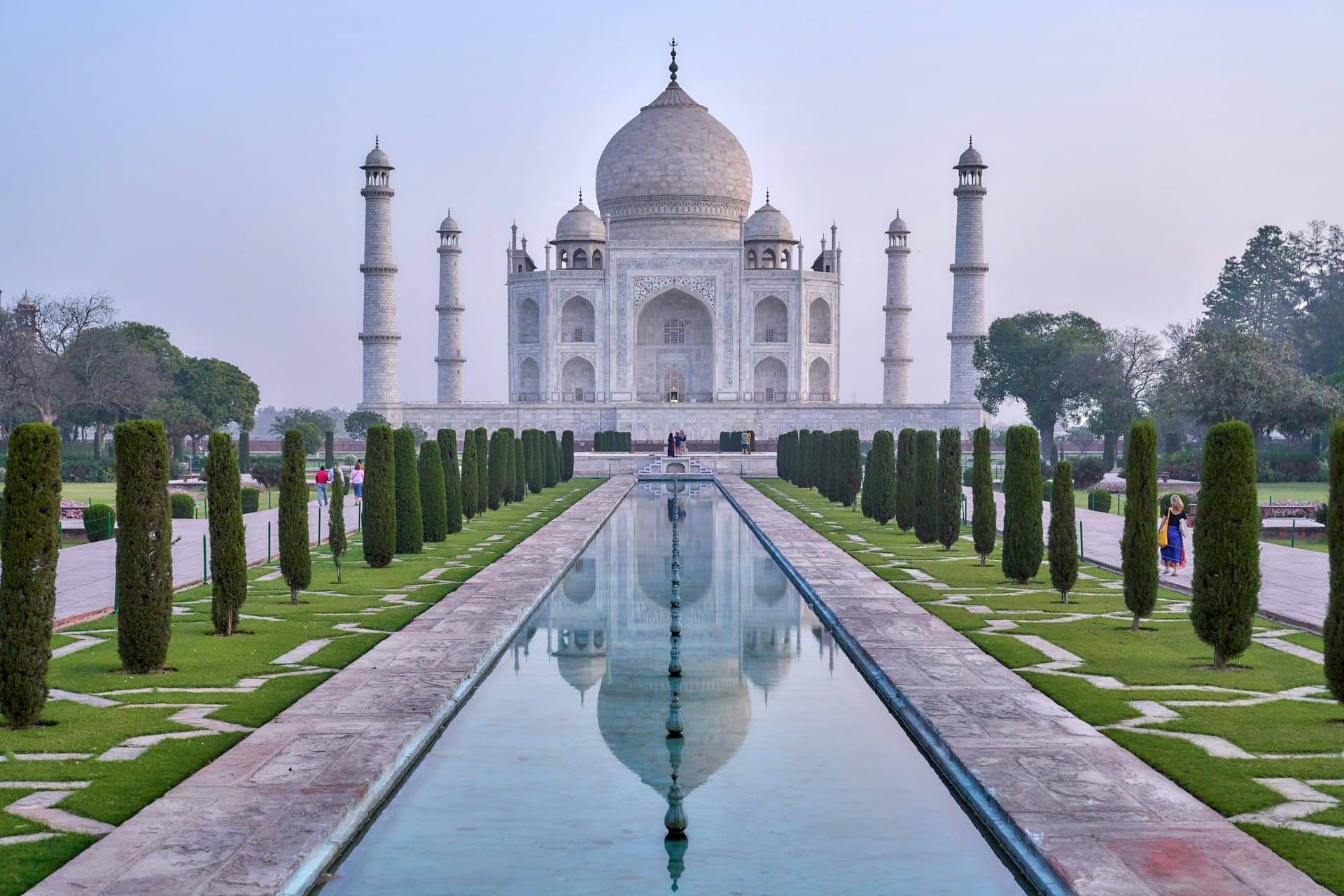

Citizens of 160+ countries can now apply for an Indian eVisa entirely online — no embassy visit required. Find the right India visa for your trip and skip the hassle with OnlineVisa.
India12,000+
Visas Processed
5+
Years of Experience
160+
Eligible Nationalities
24/7
Support
99.9%
Approval Rate
Everything for your trip
Travelling to India now involves more than a visa. Apply for your India eVisa, complete the mandatory e-Arrival Card, or move your eVisa to a new passport — all from this page, with the same secure checkout and expert support.
Apply for your India e-Tourist, e-Business, e-Medical, e-Medical Attendant or Transit visa online. We check every detail before submission to reduce the risk of rejection.
Since October 2025, all foreign nationals must complete the digital e-Arrival Card before landing in India. It replaces the paper disembarkation card and is needed on every visit.
If your passport was renewed, lost, stolen or damaged while your India eVisa is still valid, transfer the eVisa (ETA) to your new passport instead of paying for a new visa.
Travel checklist
Most international visitors need two documents to enter India: a valid India eVisa linked to the passport they travel with, and a completed e-Arrival Card. Follow this timeline so nothing is missed at the airport.
Apply online and receive your Electronic Travel Authorisation (ETA) by email. Print it or keep a copy on your phone.
Apply for eVisaRenewed or replaced your passport after your eVisa was issued? Transfer it so the visa matches the passport you travel with.
Transfer eVisaFill in the mandatory digital arrival form with your flight, address in India and travel history, and get your QR code.
Apply for e-Arrival CardShow your passport, eVisa (ETA) and e-Arrival Card QR code at one of the authorised airports or seaports for a quick, smooth entry.
See entry pointsRequirements
Before starting your India eVisa application, make sure you have these four essentials ready.
Recent passport-style photo with a clear white background.
Clear scan of the biographical page from your valid passport document.
Passport must remain valid for 6 months with at least 2 blank pages.
Valid credit or debit card required for secure online eVisa payment.
Overview
An Indian eVisa is an electronic travel authorisation issued by the Government of India to international travellers who wish to visit the country for tourism, business, or medical purposes. It is a fully digital version of the traditional paper visa, stored electronically and linked directly to your passport.
Since its introduction in 2014, the India eVisa has eliminated the need for travellers to visit an Indian Embassy or Consulate in person. Citizens of more than 160 countries can now apply online, receive approval by email, and arrive at any of the 29 designated airports or 5 authorised seaports without a physical stamp on their passport.
The Indian eVisa is the fastest and most convenient way to gain entry into India. Depending on the visa category and processing option you choose, approval is typically received within 24–72 hours.
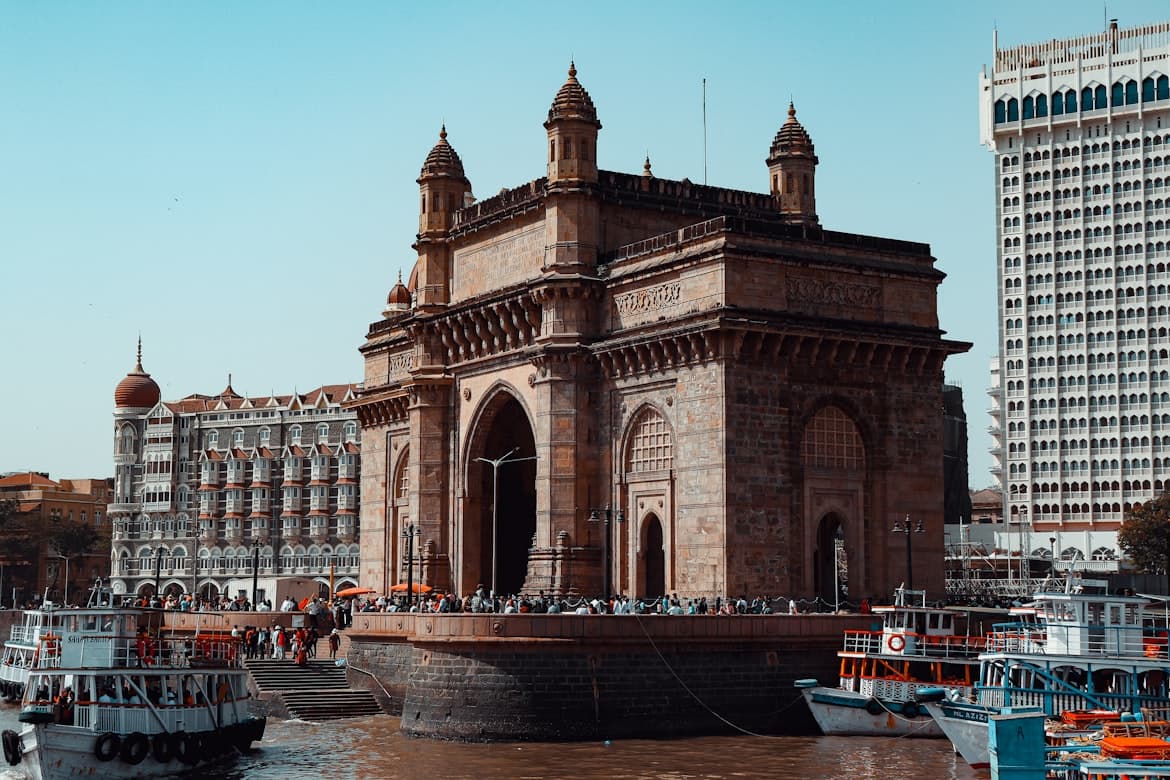
Gateway of India, Mumbai
One of India's most iconic landmarks
Simple process
Apply for your Indian eVisa in four straightforward steps — secure, guided, and stress-free.
Answer a few simple questions, select your visa type, upload your documents, and pay securely online.
Our team checks every detail — photo dimensions, passport clarity, and form accuracy — to minimise rejection risk.
We submit your application to the Indian government on your behalf and keep you updated throughout.
Your approved eVisa is delivered by email. We guide you on how to present it correctly at your port of entry.
Visa options
There are different kinds of Indian eVisa. The one you should apply for depends on the purpose of your visit to India. Review each type below to find the right one for your trip.
If you are visiting India as a tourist for the purpose of sightseeing or recreation, the India e-Tourist Visa is what you need. There are three variants available depending on the length of your stay:
Documents
To begin the application process for an Indian eVisa, you must have the following documents ready. Ensure all information in your application matches your passport exactly.
Passport scan (biographical page)
An electronic or scanned copy of the first page of your passport, which must be a standard passport — not a diplomatic or official one. It must remain valid for at least 6 months from your date of entry into India.
Passport-style colour photograph
A recent passport-style photo of your face only, taken against a white or light background. A clear smartphone photo is acceptable.
Valid email address
Required to receive your eVisa approval and all application updates.
Credit or debit card
For secure online payment of the application fee.
Return or onward ticket (recommended)
Proof of your travel out of India. Immigration officers may request this at the port of entry.
Type-specific supporting documents
Business applicants may need an invitation letter; medical applicants may need a hospital letter confirming the treatment.
Important Notice
The Government of India requires that the information submitted in your eVisa application matches precisely what is shown on your travel passport. This includes:
If your passport includes a middle name, you must include it in the application. Any discrepancy between your application and passport may result in delays or rejection of your eVisa.
Guidelines
Before applying for your Indian eVisa, review these important guidelines to ensure a smooth and successful application.
You can apply for an Indian eVisa a maximum of 3 times in any 12-month period.
Apply at least 4–7 days before your intended date of entry into India to allow sufficient processing time.
The eVisa cannot be converted to another visa type or extended beyond its original validity.
The Indian eVisa does not grant access to Protected, Restricted, or Cantonment Areas within India.
Every applicant must apply individually with their own standard passport. Children cannot be included on a parent's application. Diplomatic and official passports are not eligible.
Your passport must be valid for at least 6 months beyond your date of entry and must have at least 2 blank pages for immigration stamps.
You must have a confirmed return or onward ticket out of India and demonstrate sufficient funds to cover your stay.
You must carry a printed or digital copy of your approved eVisa with you at all times during your stay in India.
Entry requirements
Most foreign nationals, including US, UK, Canadian, and Australian citizens, must obtain a visa before travelling to India. India offers a Visa on Arrival (VoA) exclusively for nationals of Japan, South Korea, and the UAE for stays up to 60 days. Citizens of Nepal and Bhutan do not require a visa.
Pricing
No visa options available for the selected nationality.
At a glance
< 10 min
Average time to apply
24–72 hrs
Typical processing time
99.9%
Approval rate
160+
Eligible nationalities
Entry points
The India eVisa is valid at 29 designated airports and 31 authorised seaports across the country. You must plan your arrival through one of the approved entry points listed below.
33 airports accepting India eVisa
33 seaports accepting India eVisa
The India e-Arrival Card is a digital immigration form that every foreign national must complete before arriving in India. It replaced the paper disembarkation card that passengers used to fill in on the plane, and it applies to every visit — whether you hold an India eVisa, a regular visa, or another valid entry document.
Your eVisa and e-Arrival Card are two separate requirements. The eVisa is your permission to enter India; the e-Arrival Card gives Indian immigration your flight, address and travel history in advance so your arrival can be processed faster. Travellers who arrive without one may be asked to complete it at the airport, which can cause delays.
The form can be submitted within 72 hours before your arrival. Once processed, you receive a QR code by email — save it on your phone or print it and show it with your passport at immigration.
Eligibility
Nationals of the following 160+ countries are eligible to apply for an Indian eVisa online without visiting an embassy or consulate.
Country-specific India visa guides
Stay limits, fees and document requirements differ by passport. Open the guide for your nationality to see exactly what applies to you.
 India visa for United States
 India visa for Canada
 India visa for Mexico
 India visa for Brazil
 India visa for United Kingdom
 India visa for Ireland
 India visa for Germany
 India visa for France
 India visa for Netherlands
 India visa for Switzerland
 India visa for Spain
 India visa for Italy
 India visa for Sweden
 India visa for Russia
 India visa for Australia
 India visa for New Zealand
 India visa for Singapore
 India visa for Malaysia
 India visa for Japan
 India visa for Korea
 India visa for United Arab Emirates
 India visa for Saudi Arabia
 India visa for Israel
 India visa for South Africa
 India visa for Austria
 India visa for Belgium
 India visa for Poland
 India visa for Czech Republic
 India visa for Hungary
 India visa for Slovakia
 India visa for Slovenia
 India visa for Denmark
 India visa for Norway
 India visa for Finland
 India visa for Portugal
 India visa for Greece
 India visa for Cyprus
 India visa for Malta
 India visa for Romania
 India visa for Bulgaria
 India visa for Croatia
 India visa for Serbia
 India visa for Ukraine
 India visa for Indonesia
 India visa for Philippines
 India visa for Thailand
 India visa for Vietnam
 India visa for Brunei
 India visa for Taiwan
 India visa for Sri Lanka
 India visa for Kazakhstan
 India visa for Uzbekistan
 India visa for Oman
 India visa for Qatar
 India visa for Jordan
 India visa for Kenya
 India visa for Tanzania
 India visa for Mauritius
 India visa for Ghana
 India visa for Uganda
 India visa for Zimbabwe
 India visa for Argentina
 India visa for Chile
 India visa for Colombia
 India visa for Peru
 India visa for Uruguay
 India visa for Trinidad & Tobago
 India visa for Jamaica
 India visa for Fiji
 India visa for Estonia
 India visa for Latvia
 India visa for Lithuania
 India visa for Albania
 India visa for Bosnia & Herzegovina
 India visa for Montenegro
 India visa for Macedonia
 India visa for Moldova
 India visa for Andorra
 India visa for Liechtenstein
 India visa for Monaco
 India visa for San Marino
 India visa for Vatican City
 India visa for Luxembourg
 India visa for Iceland
 India visa for Armenia
 India visa for Azerbaijan
 India visa for Georgia
 India visa for Kyrgyzstan
 India visa for Tajikistan
 India visa for Mongolia
 India visa for Cambodia
 India visa for Laos
 India visa for Myanmar
 India visa for East Timor
 India visa for Macau
 India visa for Palestine
 India visa for Senegal
 India visa for Sierra Leone
 India visa for Liberia
 India visa for Gambia
 India visa for Guinea
 India visa for Mali
 India visa for Niger Republic
 India visa for Cape Verde
 India visa for Rwanda
 India visa for Angola
 India visa for Cameroon
 India visa for Gabon
 India visa for Burundi
 India visa for Madagascar
 India visa for Comoros
 India visa for Djibouti
 India visa for Eritrea
 India visa for Zambia
 India visa for Botswana
 India visa for Namibia
 India visa for Mozambique
 India visa for Malawi
 India visa for Seychelles
 India visa for Lesotho
 India visa for Swaziland
 India visa for Guyana
 India visa for Suriname
 India visa for Ecuador
 India visa for Bolivia
 India visa for Paraguay
 India visa for Venezuela
 India visa for Panama
 India visa for Costa Rica
 India visa for Guatemala
 India visa for El Salvador
 India visa for Honduras
 India visa for Nicaragua
 India visa for Belize
 India visa for Aruba
 India visa for Cayman Island
 India visa for Turks & Caicos Island
 India visa for Anguilla
 India visa for Montserrat
 India visa for Barbados
 India visa for Antigua & Barbuda
 India visa for St Lucia
 India visa for Grenada
 India visa for Dominica
 India visa for St Vincent & Grenadines
 India visa for Cuba
 India visa for Bahamas
 India visa for Dominican Republic
 India visa for Haiti
 India visa for Papua New Guinea
 India visa for Vanuatu
 India visa for Solomon Islands
 India visa for Samoa
 India visa for Tonga
 India visa for Cook Islands
 India visa for Niue Island
 India visa for Palau
 India visa for Marshall Islands
 India visa for Micronesia
 India visa for Kiribati
 India visa for Nauru
 India visa for Tuvalu
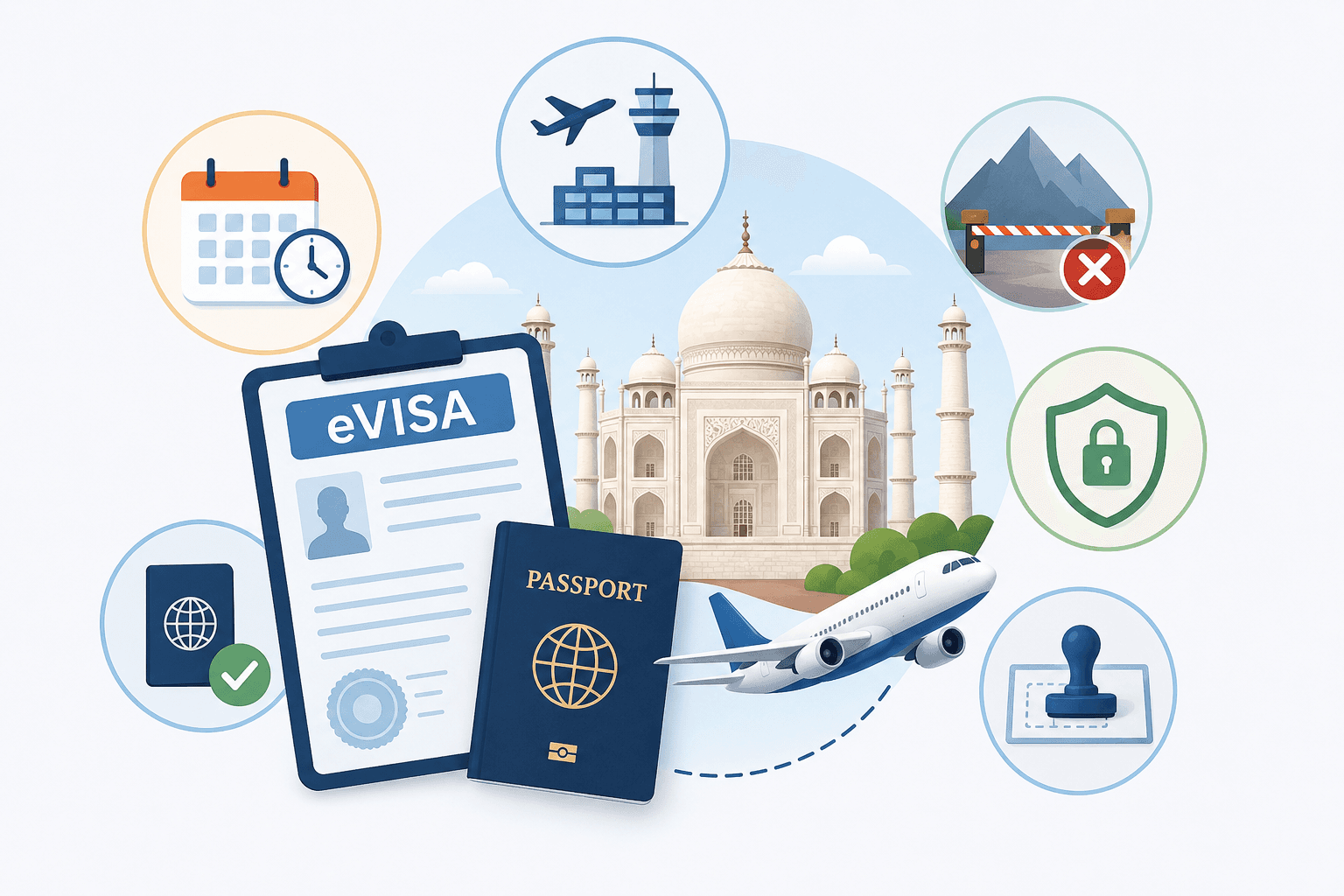
Passport & eVisa
Your approved eVisa is linked directly to your passport
Validity
Validity depends on your visa type
The Tourist eVisa is valid for 90 days per visit (up to 180 days for US, UK, Canada, Japan nationals) with an overall validity of 1 or 5 years. The Business eVisa is valid for up to 180 days per visit within a 1-year period. Medical and Medical Attendant visas are valid for 60 days from the date of first entry.
Authorised entry points only
All eVisa holders must enter India through one of the 29 designated airports or 5 authorised seaports. Entry through land borders is not permitted with an eVisa.
Restricted areas are off-limits
The India eVisa cannot be used to access Protected Areas, Restricted Areas, or Cantonment Areas. A separate permit is required for such regions.
Non-extendable, but transferable to a new passport
The eVisa validity cannot be extended beyond its original duration. If you wish to stay longer, you must exit India and apply for a new eVisa (subject to the three-times-per-year limit). If you get a new passport while your eVisa is still valid, you can transfer the eVisa to your new passport.
Minimum passport validity required
Your passport must remain valid for at least 6 months from the date of your planned arrival. Immigration officers will also stamp your passport, so at least 2 blank pages are required.
New passport?
An India eVisa is electronically linked to the passport number used in the application. If you replace that passport while your visa is still valid — for example a 1-year or 5-year Tourist eVisa — you can transfer the eVisa (ETA) to your new passport and keep travelling on the same visa.
The transfer only moves your existing eVisa to a new passport — the visa type, validity and conditions stay the same. If your name or any other details have changed, or your eVisa has expired, you need to .
Why us
Applying for an Indian eVisa on your own can be time-consuming and risky. OnlineVisa simplifies the process, detects errors before submission, and gives you confidence every step of the way.
| Feature | Applying yourself | OnlineVisa |
|---|---|---|
| Simple, guided application forms | ||
| 24/7 support from visa experts | ||
| Error detection to prevent rejections | ||
| Secure document upload | ||
| Multiple payment methods | ||
| Real-time application tracking |
FAQs
Everything you need to know about the India eVisa, e-Arrival Card and eVisa transfer.
Explore more
From our blog
Stay informed with the latest guides, updates, and tips on Indian visas and travel requirements.