
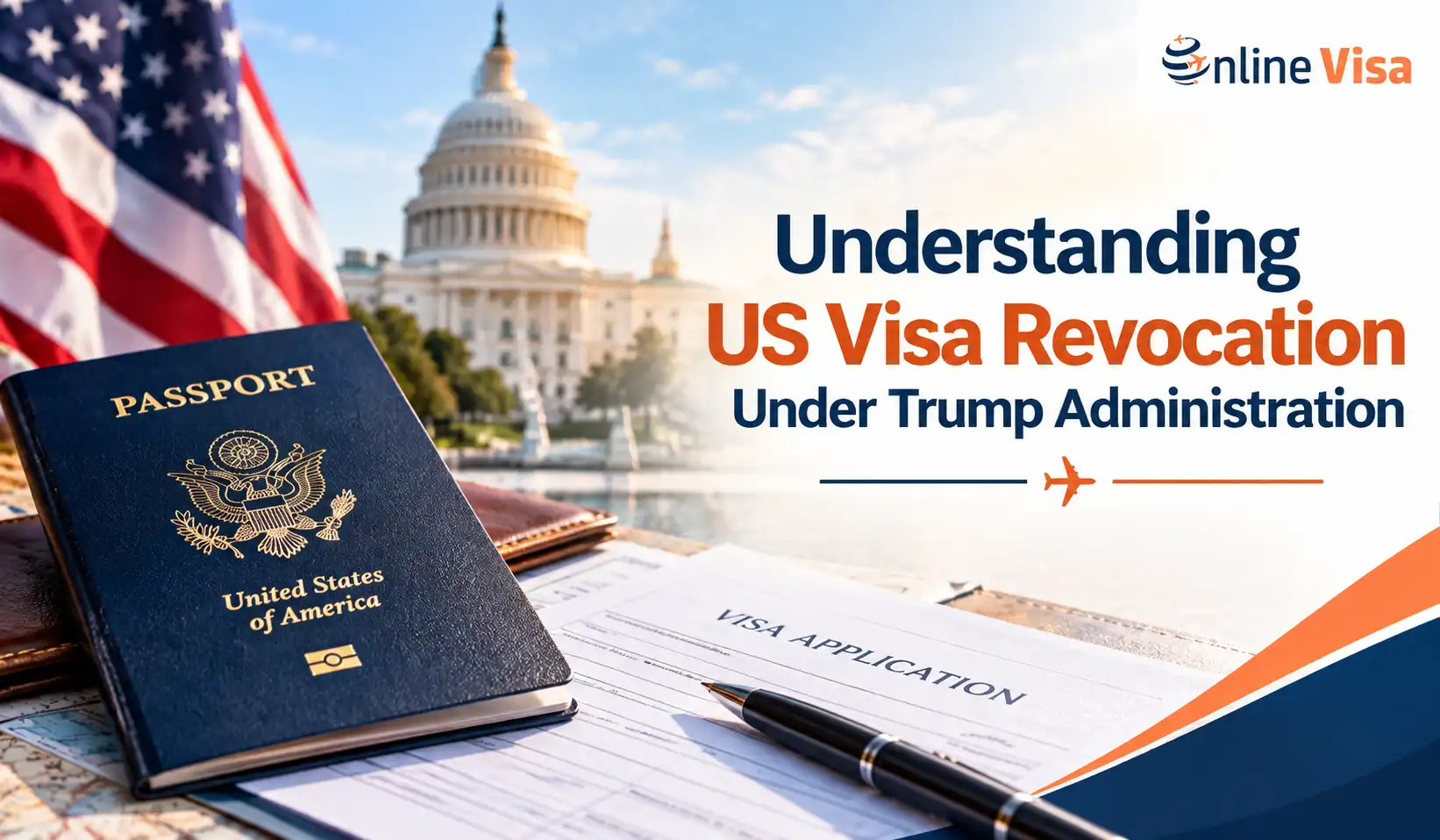
Understanding US Visa Revocation Under Trump Administration
Discover the factors behind US visa revocations, statistics, and what they mean for foreign nationals under the Trump administration's immigration policies.
Introduction to US Visa Revocation Statistics
The recent spike in US visa revocations has raised significant concerns among foreign nationals and potential travelers. With over 300,000 visas revoked since Donald Trump began his second term in January 2025, understanding this trend is crucial. These figures reflect a shift in immigration policies and enforcement, particularly highlighting how and why these visa cancellations occur.
If you're worried about your visa status or planning to travel, it's important to be aware of the current landscape of US immigration and what could lead to your visa being revoked.
Statistics on Visa Revocations Under Trump's Term
Visa revocation statistics under the Trump administration indicate a dramatic increase in cancellations over a short period. For context, on October 20, 2026, the State Department confirmed that more than 300,000 visas had been revoked. This marks the highest rate of visa cancellations in U.S. history.
In just a few months, the numbers escalated quickly. Starting with approximately 175,000 revoked visas reported in August, the total exceeded 250,000 by late September. To illustrate this rapid increase, here’s a breakdown of the approximate monthly figures:
- January 2025 - August 2026: 175,000 revoked
- September 2026: 250,000 revoked
- October 2026: Over 300,000 revoked
This drastic escalation has been largely attributed to stricter enforcement policies and heightened scrutiny of visa applicants. State Department officials have stated that the administration aims to send a clear message about maintaining national security.
Reasons for Visa Revocation in the USA
Visa revocations in the U.S. are typically based on a variety of concerns, primarily aimed at maintaining safety and security. Some common reasons for these revocations include:
- Criminal Offenses: Individuals convicted of crimes can have their visas canceled as a form of punitive action.
- Immigration Violations: Violations of immigration rules, such as overstaying or working without proper authorization, lead to revocations.
- Fraudulent Activities: Any evidence of visa fraud or misrepresentation during the application process can trigger a revocation.
- National Security Threats: If a foreign national is deemed a threat to national security, their visa is often revoked swiftly.
Additionally, birth tourism has become a focal point of revocations, with thousands of visas canceled under this category. The administration has cracked down significantly since measures were implemented in late 2026, illustrating the ongoing scrutiny of visa categories.
Impact of Visa Revocations on Foreign Nationals
The effects of visa revocations can be profound for foreign nationals. If your visa is revoked, you will no longer be able to use it to travel to the United States. This situation can have several implications:
- Loss of Travel Privileges: Once revoked, the visa cannot be used, even if it has not expired.
- Difficulty in Reapplying: Obtaining a new visa after a revocation primarily depends on the circumstances that led to the original revocation. You might face additional scrutiny during the reapplication process.
- Legal Consequences: For those already in the U.S. on a revoked visa, assessing the legal standing regarding their residency may become a complex issue.
For students, for instance, previously enrolled in U.S. institutions, the revocation of their student visas can lead to abrupt relocation and interruptions in their studies.
Birth Tourism Visa Issues and Government Response
Birth tourism has emerged as a controversial topic, particularly during Trump's administration. Birth tourism refers to individuals traveling to the U.S. primarily to give birth, hoping their newborn will gain U.S. citizenship. Since August 2026, the Birth Tourism Prevention Task Force has overseen the revocation of at least 4,000 visas linked to this practice.
In addition to visa cancellations, the government has also initiated various policy measures aimed at curbing this trend, including:
- Increased Background Checks: All visa applicants face more rigorous background checks concerning their intentions and history.
- Executive Orders: Executive actions specifically targeting birth tourism have further limited the issuance and renewal of related visas.
The implementation of these measures reflects a clear intention to reassess and often restrict the flow of foreign nationals who may exert eligibility under perceived loopholes in U.S. immigration law.
Student Visa Revocations - What You Should Know
Student visa revocations are a significant concern for many international students. The Trump administration's policies led to the cancellation of about 6,000 student visas from individuals deemed to be either committing crimes or having ties to anti-government activities.
For students, the implications of a revocation can be particularly severe. Here are a few key points to understand:
- Academic Interruption: Revocation can lead to immediate expulsion from educational institutions, causing disruption in academic pursuits and loss of tuition fees.
- Immigration Status: Students need to be mindful of their legal standing in the U.S., as revocation may put them at risk of deportation.
Therefore, staying informed about your visa status and understanding the administration’s policies are essential for ensuring compliance and continuity in your studies.
Visa Policy Changes in 2026 - What to Expect
The ongoing changes in U.S. visa policy have resulted from the administration's considerable emphasis on immigration enforcement. As 2026 progresses, we can expect continued evolution in how visas are handled. A few anticipated changes may involve:
- Tighter Entry Requirements: Those applying for visas can anticipate more rigorous entry requirements, including comprehensive interviews and background checks.
- Increased Reporting Mechanisms: The establishment of reporting portals for suspected fraud indicates heightened monitoring of those currently holding or applying for visas.
- Continued Scrutiny: Post-issuance scrutiny of visas will likely remain a standard protocol, affecting both new applicants and those holding existing visas.
Understanding these anticipated changes is vital to anyone looking to travel or stay in the U.S., as they set the stage for increased vigilance and enforcement.
FAQ Section
What happens if my visa is revoked?
If your visa is revoked, you cannot use it to enter the U.S. again. You may need to apply for a new visa, and you will undergo scrutiny based on why your previous visa was canceled.
Are there ways to appeal a visa revocation?
Yes, you can appeal against a visa revocation, but the process is complex. It involves providing documentation and reasons why the visa should be reinstated based on specific cases and circumstances.
Is birth tourism still allowed?
Birth tourism is heavily scrutinized, and the U.S. government has implemented actions to limit it significantly. Instances of travel primarily for birth purposes may lead to visa revocation.
How does visa revocation affect foreign students?
Visa revocation can impact students by causing abrupt academic interruptions, loss of eligibility for their educational program, and possible legal consequences regarding their immigration status.
If you're concerned about your visa status or need more information, consider visiting our Apply Now page. Processing times are quick, and we can help guide you through your visa application process today!
Related Articles
 Travel & Visa News
U.S. ESTA vs. New Zealand eTA: Document Requirements for VWP Nations
 Travel & Visa News
Digital Nomad vs. Tourist: What You Can and Cannot Do on a Short-Stay eVisa
 Travel & Visa News