
New Zealand Khalistan Asylum Claims: Why Tribunals Are Rejecting Cases
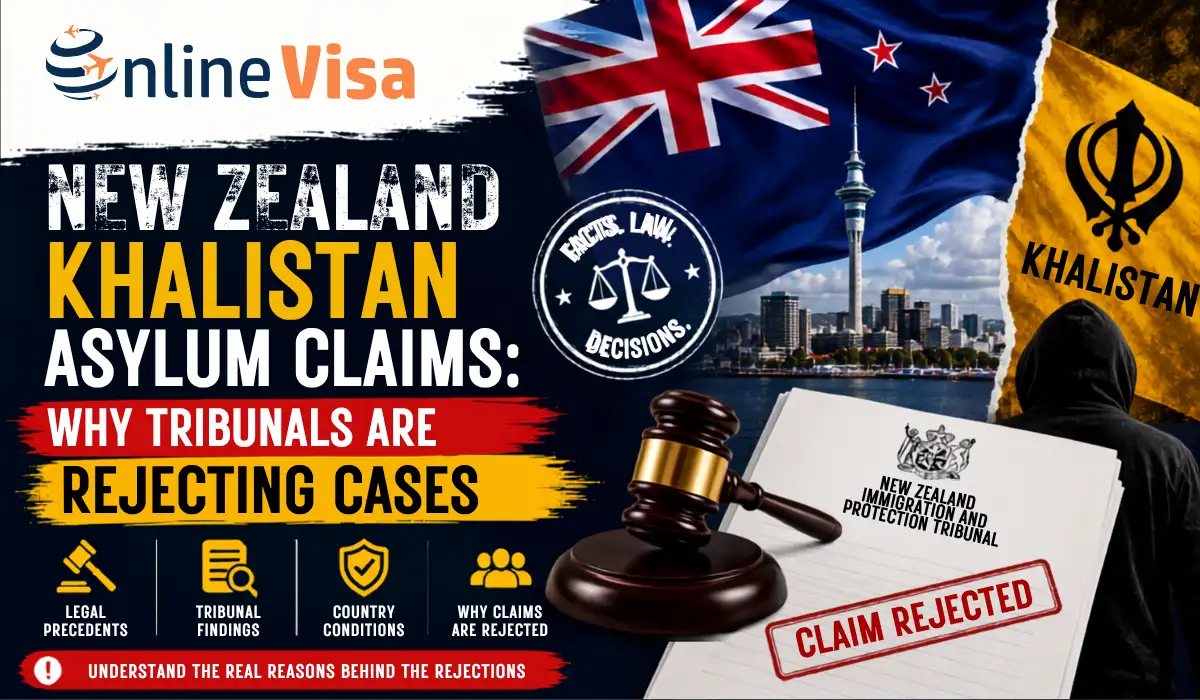
New Zealand's immigration tribunal rejected all 40 Khalistan-linked asylum claims in 2025-26. Learn what makes a successful refugee case and why political support alone isn't enough.
The Shift in New Zealand's Khalistan Asylum Decisions
Between 2025 and 2026, New Zealand's Immigration and Protection Tribunal rejected all 40 published Khalistan-linked asylum applications it reviewed. This represents a dramatic reversal from 2024, when two Indian nationals successfully secured refugee status based on their public Khalistan advocacy. Understanding why these recent cases failed reveals the strict standards tribunals now apply.
What Changed: From 2024 Victories to 2025-26 Rejections
The two successful applicants in 2024 shared a critical characteristic: they had highly visible political profiles. Their activities included sustained social media posts supporting Khalistan, documented involvement with separatist organizations, and one applicant even had a prominent Khalistan-related tattoo. These details created a clear, traceable record that could expose them to harm if returned to India.
By contrast, the 40 rejected applicants in 2025-26 showed what tribunals called "low-level" political activity. Attending a protest outside the Indian High Commission or voting in a non-binding Khalistan referendum in Auckland—activities that might seem meaningful—were insufficient on their own.
The Core Problem: Low-Profile Activity Without Documented Awareness
The tribunal's repeated finding across rejected cases was consistent: applicants must prove that Indian authorities knew about their political involvement. Tribunals don't assume that casual activism will attract government attention. You need evidence.
Rejected applicants typically lacked:
- Documented online presence (posts, videos, or public statements attributed to them)
- Proof of involvement with recognized Khalistan organizations
- Evidence that their names appeared in news reports, police records, or official lists
- Records showing Indian authorities had inquired about them
Lawyers have cited the successful 2024 decisions in at least nine unsuccessful recent cases, hoping to use those precedents to persuade tribunals. But judges consistently distinguished the cases, pointing to the successful applicants' "significantly higher-profile" activities.
What the Tribunal Actually Requires
New Zealand's refugee framework doesn't reject people based on their political beliefs alone. Instead, applicants must establish three elements:
- A protected ground: That you face persecution because of your political opinion (Khalistan support qualifies).
- A credible threat: That this persecution is likely if you return to India.
- An individualized risk: That Indian authorities specifically know about you and would target you personally.
The third element trips up most applicants. Generic support for Khalistan doesn't meet it. You must show your specific activities and your specific visibility to risk-creating authorities.
Why Immigration New Zealand Doesn't Track This Data
Immigration New Zealand (INZ) doesn't publish official statistics separating asylum rejections by political grounds. An INZ spokesperson explained that while case records contain this information, it would require "extensive manual review" and isn't stored in a format ready for reporting.
This lack of transparency makes independent research—like reviews of published tribunal decisions—important for understanding trends. Advocacy organizations have filled this gap by analyzing case outcomes.
The Burden of Proof Falls on You
If you're considering an asylum claim based on Khalistan political activity, understand that you must provide concrete evidence:
- Screenshots or links to social media posts you've made
- Records of membership in organizations
- News articles or photos documenting your participation in events
- Witness statements about your public activism
- Any communications from Indian authorities expressing concern about your activities
General political sympathies—believing Khalistan should be independent—won't satisfy tribunal requirements. Your actions must be documented, traceable, and known to relevant authorities in India.
International Travel and New Zealand eTA Considerations
If you're planning to travel to or through New Zealand eTA Online while managing asylum matters or immigration status, make sure your travel documents are in order. Those arriving from visa-exempt countries need approval through the appropriate travel authorization system before boarding.
What This Means for Future Applicants
The tribunal's decisions send a clear signal: political support for Khalistan independence, without more, is not grounds for refugee protection in New Zealand. Applicants must demonstrate they are individually known to and targeted by Indian authorities because of their activism.
Lawyers handling these cases now emphasize building a detailed factual record of their clients' political activities and visibility. Vague claims or undocumented assertions won't succeed.
Key Takeaways
New Zealand immigration tribunal has rejected all 40 Khalistan asylum claims from 2025-26, a stark reversal from two successful cases in 2024. The difference lies in visibility and proof. Successful applicants demonstrated high-profile, documented political activity that authorities in India would likely know about. Recent rejected applicants showed low-profile involvement without evidence of government awareness. If you're considering an asylum claim, you'll need concrete documentation of your activism and credible proof that Indian authorities know about you specifically. Tribunal decisions don't turn on your political beliefs but on your individual risk and the evidence you can provide to support it.
Related Articles
 Travel & Visa News
U.S. ESTA vs. New Zealand eTA: Document Requirements for VWP Nations
 Travel & Visa News
Digital Nomad vs. Tourist: What You Can and Cannot Do on a Short-Stay eVisa
 Travel & Visa News